
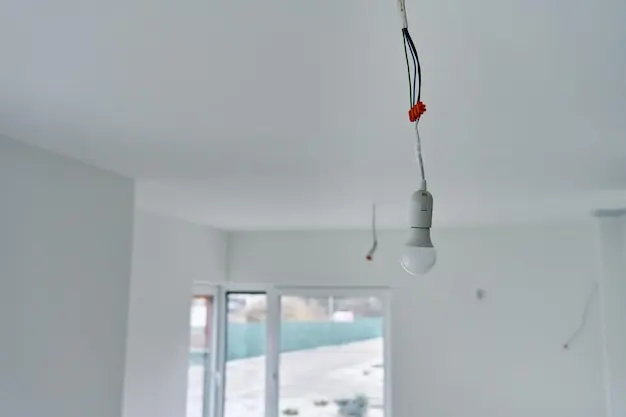
Find out how often you need an electrical landlord certificate, when inspections are required, and what landlords should do to stay safe and meet legal duties.
What Is an Electrical Landlord Certificate?
An electrical landlord certificate is the name many people use for the document that shows the electrical installation in a rented property has been inspected and tested. In most cases, this is an Electrical Installation Condition Report, often called an EICR. It looks at the fixed electrical parts of the property, such as the wiring, sockets, switches, light fittings, and consumer unit. The purpose of the certificate is to show whether the installation is safe for continued use.
During the inspection, a qualified electrician checks the condition of the electrical system and looks for faults, damage, wear, or anything that may put tenants at risk. If problems are found, they are listed in the report along with notes on what needs to be put right.
For landlords, this certificate is an important part of managing a rental property properly. It helps show that electrical safety has been taken seriously and that the property has been checked by someone with the right skills. For tenants, it offers reassurance that the electrical installation has been looked at and assessed, rather than simply assumed to be safe.
How Often Do You Need One?
In most cases, landlords need an electrical landlord certificate at least every five years. This is the usual period linked to the inspection of the fixed electrical installation in a rented property. The exact timing should be confirmed by the report itself, because the electrician may recommend that the next inspection takes place sooner if the condition of the installation, the age of the property, or the level of use makes that necessary.
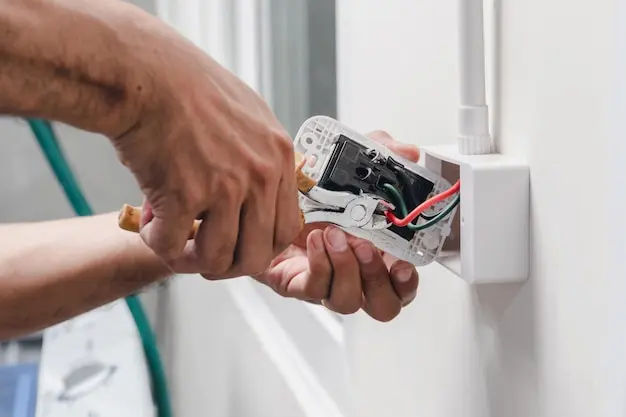
The five-year point should not be treated as something flexible or easy to leave until later. If the report states that the next inspection is due by a certain date, the landlord should make sure the property is checked again before that date arrives. Letting the certificate run out can create avoidable problems, especially if there is a change of tenant, a complaint, or a request for documents.
It is also important to remember that the certificate relates to the fixed electrical installation, not just to visible problems. A property may seem completely fine on the surface while hidden faults develop over time. That is why regular inspection matters.
A landlord cannot rely on the fact that lights still work and sockets still give power. The proper interval exists so that wear, damage, and risk can be found before they become more serious. Keeping to the inspection period is one of the clearest ways to manage safety and meet landlord responsibilities.
When Should You Renew It?
You should renew the certificate before the current inspection period ends. The best approach is not to wait until the last moment. Once the report has been issued, it will normally state when the next inspection is due. That date should be recorded clearly so the renewal can be arranged in good time.
Many landlords choose to plan ahead several weeks or months before the deadline. This helps avoid the risk of delays, especially if electricians are busy or if repair work is needed after the inspection. Leaving it too late may mean the certificate expires before a new satisfactory report is in place.
It can also be sensible to arrange a new inspection earlier in some situations. For example, if major electrical work has been carried out, if the property has suffered damage, or if there are signs of faults, waiting for the usual renewal date may not be wise. A new tenancy can also be a useful point to review whether the electrical records are current and whether another inspection would be sensible.
What Factors Can Affect the Renewal Period?
Although five years is the usual maximum period, a number of factors can affect how soon an electrical landlord certificate should be renewed. The electrician carrying out the inspection may recommend a shorter period if the installation is older, shows signs of wear, or has features that need closer monitoring. This recommendation should be taken seriously, because it is based on the actual condition of the property rather than a general rule.
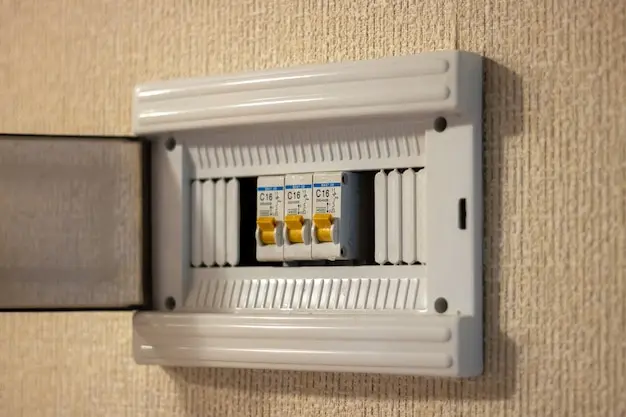
The age of the building can make a difference. Older properties may have wiring or electrical layouts that are more likely to need regular attention, especially if there have been several changes or additions over the years. The way the property is used can also matter.
A home with heavier day-to-day use may place more strain on sockets, fittings, and circuits than one with lighter use. In some cases, previous inspection results may also affect the renewal period, particularly if the system has a history of faults or remedial work.
Another factor is whether any major alterations have been made. If the landlord has added new circuits, changed the consumer unit, or carried out renovation work that affects the electrical installation, it may be wise to review the system sooner rather than simply wait for the old date.
In practical terms, the renewal period is shaped by both the report recommendation and the real condition of the property. Good landlords do not just count years. They also pay attention to risk, changes, and signs that the installation may need another check earlier.
What If the Property Fails the Inspection?
If the property fails the inspection, it means the electrical installation has been found to be unsatisfactory. The report will set out the problems that have been identified and explain which ones need to be fixed. This should never be ignored or treated as a minor paperwork issue. A failed report means action is needed to make the property safe.
Some faults may need urgent attention, while others may still require repair within a set period. The landlord should arrange for the necessary remedial work to be carried out by a qualified electrician. Once the work has been completed, written confirmation should be kept as proof that the faults have been put right.
Failing an inspection does not always mean the whole system must be replaced, but it does mean the property cannot simply be treated as satisfactory until the required action has been taken. Keeping clear records of the repairs and the follow-up paperwork is an important part of dealing with the result properly.
What Are the Legal Duties for Landlords?
Landlords have a legal duty to make sure the electrical installation in their rented property is safe. This means more than simply responding when something goes wrong. It includes arranging inspection and testing at the proper intervals, making sure the work is carried out by a qualified person, and dealing with any faults identified in the report within the required time. The duty sits with the landlord, even if a letting agent helps manage the property on a day-to-day basis.
A landlord should also keep copies of the electrical report and provide them where required. This may include giving the report to existing tenants, new tenants, and others who are entitled to see it. Good record keeping matters because it helps show that the landlord has taken the right steps and has not allowed safety checks to lapse. If a report recommends remedial work, that work should be arranged and completed properly, with written confirmation kept as evidence.
These duties are important because electrical faults can lead to electric shock, injury, fire, and damage to the property. The law is there to support safer rented homes and to make sure landlords take a planned approach to electrical safety. In practical terms, legal compliance means staying organised, using qualified electricians, acting quickly when problems are found, and not letting inspection dates pass without proper renewal.
How Can You Stay Up to Date?
The simplest way to stay up to date is to keep clear records from the start. As soon as an electrical landlord certificate is issued, note the inspection date and the next due date in a place that is easy to check. This could be part of a property file, a calendar reminder, or a wider maintenance record for the property.
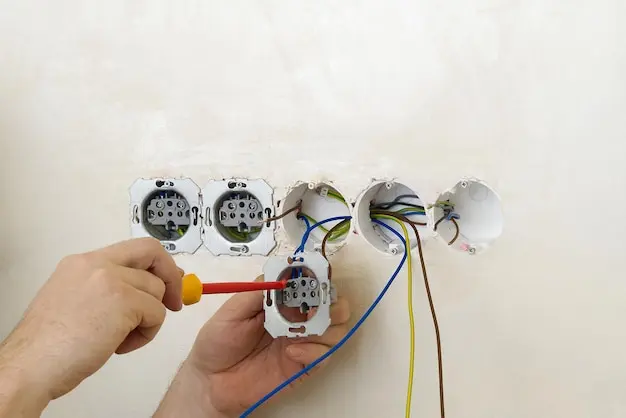
It also helps to keep all reports, invoices, and proof of any remedial work together. That way, if you need to show the history of the property’s electrical safety, the paperwork is ready.
Staying organised makes it less likely that renewal dates will be missed or that important details will be forgotten between tenancies.
Landlords should also pay attention to changes in the property itself. If there are signs of electrical trouble, building work, or changes in how the property is used, it may be wise to arrange advice before the next planned inspection.
Staying up to date is not only about remembering one date every few years. It is about keeping electrical safety in view as an ongoing part of responsible property management.
Get professional Electrical Landlord Certificates in Wolverhampton and the West Midlands. We inspect, test, and certify your property's wiring to ensure safety and compliance with regulations.