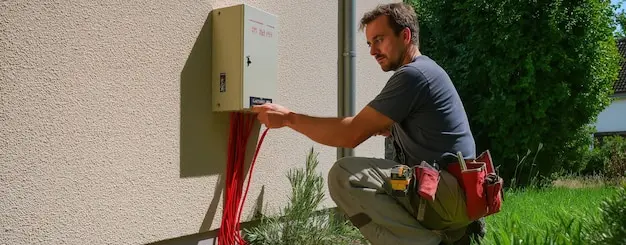
Discover what is an Electrical Landlord Certificate and how it ensures your rental property's electrical safety. Essential for compliant and safe lettings.
Why Landlords Need an Electrical Certificate
An electrical landlord certificate is important because it helps show that the electrical installation in a rented property has been checked and judged safe for continued use. In any home, electricity is used every day for lighting, heating, cooking, charging devices, and running appliances. If the wiring, sockets, consumer unit, or other fixed electrical parts are unsafe, tenants could face risks such as electric shock, burns, or fire.
For landlords, the certificate is not just a piece of paperwork. It is a record that the condition of the electrical system has been properly inspected. This helps landlords show that they are taking reasonable steps to keep the property safe and in good order. It can also help identify problems early, before they turn into larger and more expensive repairs.
Regular electrical checks are especially important in rental properties because tenants may not know the age or condition of the installation when they move in. A proper inspection gives a clearer picture of whether the system is safe, whether repairs are needed, and whether the property is suitable for continued letting.
Who Needs an Electrical Landlord Certificate
An electrical landlord certificate is usually needed by landlords who rent out residential property. This includes private landlords with a single flat or house, as well as landlords with larger portfolios of rental homes.
In many cases, the requirement applies whether the property is let fully furnished, partly furnished, or unfurnished, because the check is mainly concerned with the fixed electrical installation rather than movable items. The fixed installation includes things such as wiring, sockets, light fittings, switches, and the consumer unit.
The certificate is important for landlords who rent to long-term tenants, but it can also matter in other types of residential letting arrangements depending on the property type and the rules that apply.
Houses, flats, maisonettes, and some converted buildings may all need regular electrical checks if they are being rented out.
Where more than one person lives in the property, such as in certain shared rental arrangements, the need for proper inspection can be even more important because of heavier day-to-day use.
Owner-occupiers do not normally need a landlord electrical certificate for their own home, because they are not renting the property to tenants. Letting agents may help arrange inspections, but the legal duty still usually sits with the landlord.
In simple terms, if you are receiving rent from tenants who live in the property as their home, you should assume that electrical safety checks are an important part of your responsibilities.
What Is Included in the Inspection
The inspection for an electrical landlord certificate looks at the fixed electrical installation within the property. This means the parts of the system that stay in place, rather than loose appliances that can be moved around. An electrician will normally check items such as the consumer unit, wiring, sockets, switches, light fittings, earthing, bonding, and other main parts of the installation.
The aim is to see whether anything is damaged, worn out, overloaded, poorly installed, or unsafe. The electrician will usually carry out both a visual inspection and electrical testing. This helps them find faults that may not be obvious just by looking. They may also note whether the installation meets current safety standards closely enough for continued use.
At the end of the inspection, the electrician records the findings and explains whether any issues need attention. If there are problems, the report should show how serious they are and whether remedial work is needed before the property can be considered satisfactory.
How an Electrical Landlord Certificate Is Issued
An electrical landlord certificate is usually issued after a qualified electrician has completed an inspection and testing process on the fixed electrical installation in the property. The electrician does not simply arrive, take a quick look, and hand over a certificate. A proper check involves assessing the condition of the system, carrying out relevant tests, and deciding whether the installation is satisfactory for continued use. Once that process is complete, the findings are written into a formal report.
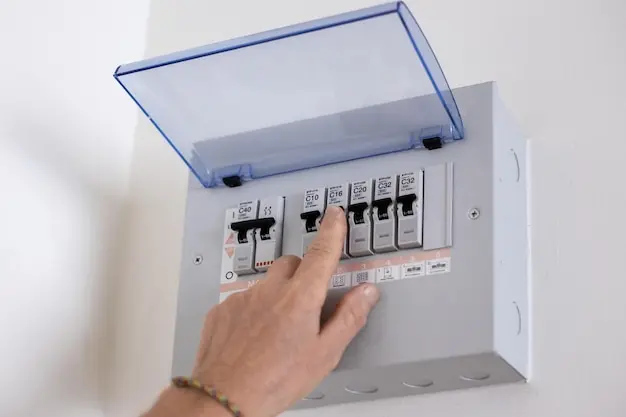
In many cases, the document landlords refer to as an electrical landlord certificate is the Electrical Installation Condition Report, often called an EICR. This report explains the overall condition of the installation and includes details of any observations made during the inspection.
If the installation is classed as satisfactory, the report acts as the record that the property has passed the check at that time. If it is unsatisfactory, the report will usually list the faults and explain that remedial work is needed.
After any required repair work has been carried out, further confirmation may be provided to show that the problems have been put right. The landlord should then keep copies of the report and provide them where required. In practice, the certificate is not a separate casual note. It is the formal written outcome of a professional inspection and testing process.
How Often the Certificate Needs to Be Renewed
An electrical landlord certificate does not last forever. It needs to be renewed at suitable intervals so the condition of the installation can be checked again over time. Electrical systems can change as they age, and parts that were safe a few years ago may become worn, damaged, or outdated. Regular renewal helps make sure that rental properties remain safe for tenants.
The report itself will often state when the next inspection is due. In many cases, landlords should expect the fixed electrical installation to be checked every few years, though the exact timing can depend on the property, the condition of the system, and the recommendation made by the inspecting electrician. If the report advises an earlier reinspection, that date should not be ignored.
A new inspection may also be sensible before a new tenancy begins, especially if the property has had repair work, changes, or a long period of use since the last check. Keeping track of renewal dates is part of good property management and helps avoid gaps in compliance.
What Happens If the Property Fails the Check
If a property fails the electrical check, it usually means the electrician has found issues that make the installation unsatisfactory. This does not always mean the entire system is dangerous beyond use, but it does mean there are faults or concerns that need attention before the installation can be treated as meeting the required standard. The report will normally list the problems found and place them into categories that show how serious they are.
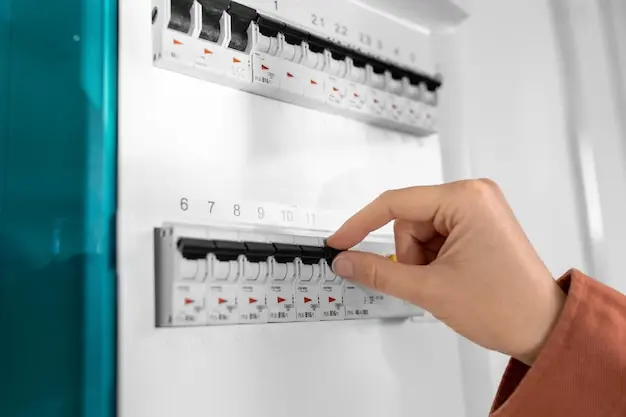
Some issues may need urgent action, especially where there is a clear safety risk. Others may still require repair or improvement within a set period.
The landlord will usually need to arrange remedial work by a qualified electrician so the faults can be corrected properly. Once the work has been completed, written confirmation may be needed to show that the property has been brought up to a satisfactory condition.
Failing the check should be seen as a warning and an opportunity to fix problems, not simply as an inconvenience. Ignoring the result can leave tenants at risk and may also create legal and financial problems for the landlord.
It can lead to more damage over time if faults are allowed to remain. In practical terms, a failed report means action is required. The next step is to arrange the necessary repairs, keep proper records, and make sure the installation is safe before relying on the property’s electrical certificate again.
The Difference Between an EICR and Other Electrical Certificates
People often use the term electrical landlord certificate in a general way, but it is helpful to understand that not all electrical certificates mean the same thing. The document most often linked to rented properties is the EICR, or Electrical Installation Condition Report. This is the report used to assess the safety and condition of an existing fixed electrical installation. It is designed to show whether the wiring and related parts of the system are satisfactory for continued use.
Other electrical certificates may be issued in different situations. For example, a certificate may be produced after new electrical installation work has been completed, or after certain alterations or additions have been made to a system. These documents confirm that the specific new work carried out met the required standard at the time it was installed. They are important, but they do not replace the need for a full condition report when one is required for a rental property.
In simple terms, an EICR is about checking the condition of what is already there, while other certificates are often about confirming newly completed electrical work. A landlord may hold both types of document over time. Understanding the difference helps avoid confusion and makes it easier to keep the right records for the property.
Legal Rules Landlords Need to Follow
Landlords need to follow the legal rules that apply to electrical safety in rented property. These rules are there to help make sure tenants live in homes where the fixed electrical installation is safe. In practical terms, this means arranging proper inspections when required, acting on any problems found, and keeping suitable records. It also means being able to provide the right documents when needed, rather than waiting until a problem arises.
The exact duties can depend on the type of property and where it is located, but the main idea is clear. Landlords are responsible for making sure that the electrical installation is inspected and tested at the correct intervals by a qualified person. If the report identifies faults that need repair, those issues should be dealt with within the required time. Leaving dangerous or unsatisfactory items unresolved can place tenants at risk and may lead to enforcement action.
Landlords should also keep copies of reports and provide them to new tenants, existing tenants, and others where the rules require this. Good record keeping is an important part of compliance. Even where a landlord uses a letting agent or managing agent, the legal duty does not usually disappear. The safest approach is to treat electrical compliance as a core part of managing the property properly and responsibly.
How Electrical Certificates Help Keep Tenants Safe
Electrical certificates help keep tenants safe by making sure the fixed electrical installation has been inspected by someone qualified to assess it properly. Many electrical faults are hidden from view. Wiring problems, weak connections, poor earthing, or damaged parts may sit behind walls or inside fittings for a long time before there is an obvious sign of trouble. A formal inspection helps spot these problems before they lead to injury or damage.

For tenants, this matters because they rely on the property being safe when they move in and while they live there. Most tenants will use sockets, lights, showers, cookers, and heating systems every day without knowing the condition of the system behind them. A valid report gives reassurance that the installation has been checked and that faults have either not been found or have been identified for repair.
Electrical certificates also encourage landlords to act in a planned and responsible way. Instead of waiting for a serious fault, regular checks support earlier maintenance and repair. This reduces the chance of electric shock, fire, equipment damage, and power failure. In that sense, the certificate is not only a document for compliance. It is also a practical tool that supports safer living conditions and helps build trust between landlord and tenant.
How Much an Electrical Landlord Certificate May Cost
The cost of an electrical landlord certificate can vary depending on the size of the property, the number of circuits, the age of the installation, and the amount of time needed for the inspection. A small flat with a simple electrical setup may cost less to inspect than a larger house with more circuits, more fittings, and an older or more complex system. Prices can also vary between electricians and between different parts of the country.
It is important to remember that the quoted price usually covers the inspection and report, not any repair work that may be needed if faults are found. If the property fails the inspection and remedial work is required, that would normally be charged separately. For this reason, landlords should not assume that the inspection fee is the full cost of achieving compliance.
While cost matters, choosing only on the lowest price is not always wise. A thorough inspection by a qualified electrician is more valuable than a rushed check that misses important issues. Landlords should look for clear pricing, a proper written report, and confidence that the inspection will be carried out correctly. In the long run, paying for a proper assessment can help avoid larger costs caused by missed faults, unsafe conditions, or poor record keeping.
Choosing a Qualified Electrician
Choosing a qualified electrician is one of the most important parts of getting an electrical landlord certificate. The inspection needs to be carried out by someone who has the right knowledge, experience, and competence to assess the fixed electrical installation properly. This is not a job for guesswork or a basic visual look around. A proper inspection involves testing, careful judgement, and clear reporting.
When choosing an electrician, landlords should look for someone who is suitably qualified and experienced in inspection and testing work. It is also sensible to check whether they are registered with a recognised scheme or trade body, as this can give extra confidence in their standards and accountability. A good electrician should be happy to explain what the inspection includes, what document will be issued, and what happens if faults are found.
Clear communication matters as well. The electrician should provide a written report that is easy to understand and should explain any observations in a straightforward way. If remedial work is needed, it should be set out clearly rather than vaguely. Choosing the right person helps the landlord get an accurate picture of the property’s condition and makes it easier to protect tenants, meet legal duties, and keep proper records for the future.
Get professional Electrical Landlord Certificates in Wolverhampton and the West Midlands. We inspect, test, and certify your property's wiring to ensure safety and compliance with regulations.